About Rufiji Cluster
The Rufiji Cluster is one of AGCOT Centre’s strategic agricultural clusters, established to facilitate inclusive agricultural transformation by fostering collaboration among public and private sector stakeholders. The cluster serves as a platform for coordinating investment, strengthening value chains, and supporting sustainable agricultural development across the eastern coastal and floodplain areas of Tanzania.
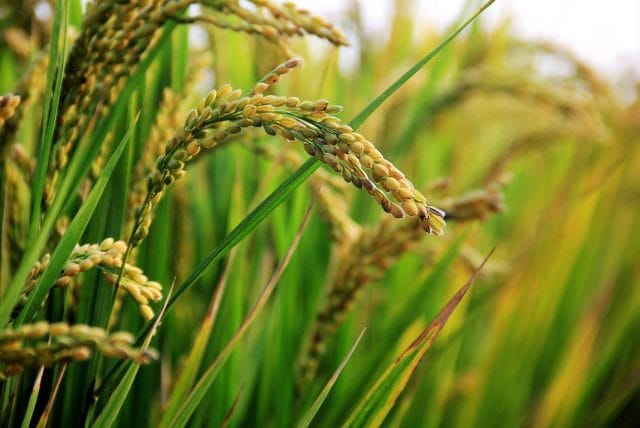
Located in Rufiji district, Pwani Region, extending to the Rufiji delta, the cluster is endowed with highly fertile alluvial clay plains and large public irrigation schemes, including the 3,000-hectare Rufiji-Ngorongo delta project. Through coordinated partnerships, the cluster aims to scale production of paddy rice, sugarcane, yellow maize, cashew nuts, sesame and seaweed, raise farmer incomes, and create employment opportunities, particularly for women and youth.

1. Cluster Profile
- Location: Sumbawanga and Nkasi districts, in Rukwa and Katavi.
- Total area: 1,738,460 hectares.
2. Natural Resources, Climate and Agriculture
- Arable land: 972,020 hectares — the largest arable reserve of any cluster.
- Land under cultivation: 460,046 hectares.
- Soils: deep, highly productive clay and sandy soils.
- Altitude: 800–2,300 metres; cold to temperate climate.
- Rainfall: unimodal, 600–1,200 mm.
3. Key Value Chains
Wheat, Maize, Sunflower, Beans, Soybeans, Horticulture, Beef cattle.
4. Stakeholder Engagement
Wildlife Conservation Society, working with local councils on village land survey and planning.
5. Achievements / Existing Interventions
- Working with the Wildlife Conservation Society and local councils to survey and plan village land.
- Establishing buffer zones near national parks to reduce human–wildlife conflict.
- Allocating dedicated commercial blocks for the Building a Better Tomorrow youth initiative.
1. Cluster Profile
- Location: 666,950 hectares.
- Total area: 1,738,460 hectares.
2. Natural Resources, Climate and Agriculture
- Arable land: 241,215 hectares.
- Soils: highly fertile, low-altitude alluvial clay plains, subject to seasonal flooding.
- Altitude:below 500 metres; temperatures 18–35°C.
- Rainfall: bimodal, 800–1,200 mm.
3. Key Value Chains
Paddy rice, Sugarcane, Yellow maize, Cashew nuts, Sesame, Seaweed.
4. Infrastructure and Market Access
Large public irrigation schemes, including the 3,000-hectare Rufiji-Ngorongo delta project, designed to support double-cropped rice.
5. Stakeholder Engagement
Local seed multipliers being integrated to supply coastal districts.
5. Achievements / Existing Interventions
- Development of large public irrigation schemes, including the 3,000-hectare Rufiji-Ngorongo delta project.
- Integration of local seed multipliers to supply coastal districts with drought-resistant maize and sesame.
- Your cart is empty Browse Shop
Connect with AGCOT to learn more about our agricultural transformation initiatives
- Image
- SKU
- Rating
- Price
- Stock
- Availability
- Add to cart
- Description
- Content
- Weight
- Dimensions
- Additional information