
- Your cart is empty Browse Shop
Kilombero Cluster Profile
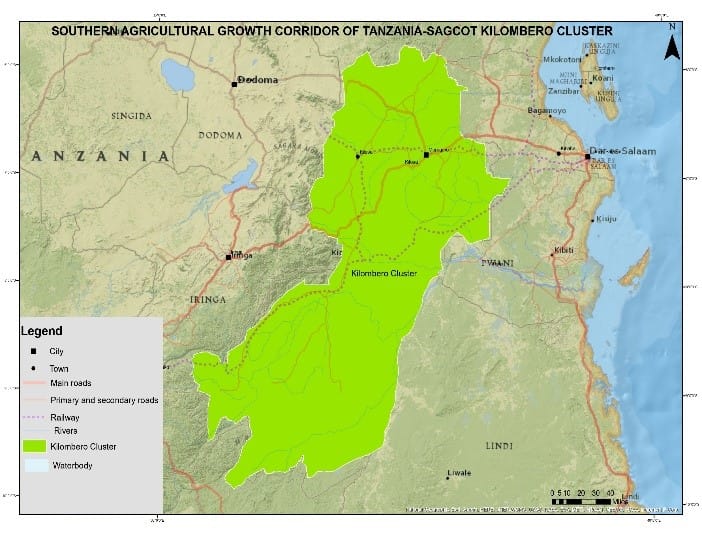
SAGCOT Partnership has branded Morogoro region as strategic agroecolocial landscape named Kilombero Cluster due to its unique climatic conditions, which support a blend of both temperate and tropical crops. This combination makes it a worthy region for diverse agricultural activities. The cluster spans across 9 districts in Morogoro, offering fertile soils and abundant water resources. The area’s geographic diversity allows for a wide range of agricultural production, positioning the cluster as a critical player in Tanzania’s agricultural transformation and a distinct advantage in meeting the growing food and commodity of the country and beyond.
Key Value Chains in the Kilombero Cluster
The Kilombero Cluster is renowned for its diverse and high-priority value chains, which are not only important to the local economy but also contribute significantly to the national and regional agricultural markets. Below is a detailed breakdown of the unique value chains that define the Kilombero Cluster;
i. Rice
Kilombero is one of Tanzania’s major rice-producing areas, particularly famous for its high-quality aromatic rice. The Cluster has large-scale, irrigated rice farms, as well as smaller-scale, rain-fed farming systems.
Rice is a staple food crop and a major cash crop in the region, making it crucial to food security. Kilombero rice is renowned for its excellent quality, contributing to both domestic markets and export demand.
ii. Sugarcane
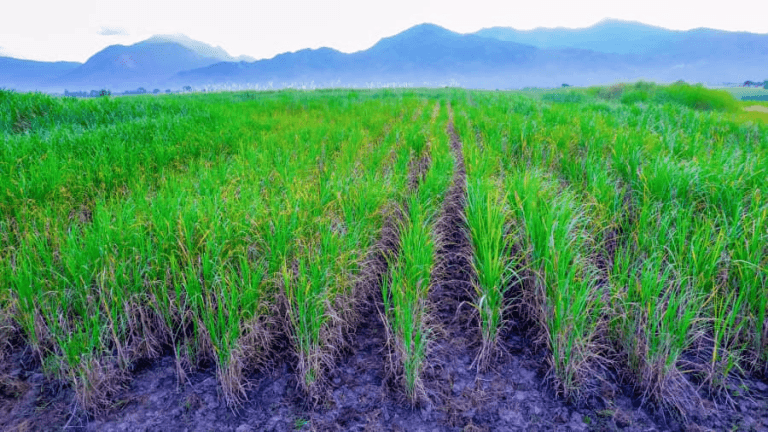
The sugarcane value chain is particularly important, as it feeds into both the local sugar industry and emerging bioenergy production. Morogoro Region is one of the leading sugarcane-producing areas in Tanzania, with a number of large-scale processing factories.
Sugarcane production contributes to food security (through sugar), industrial development (through ethanol for biofuel), and employment generation in the region.
The sugar industry has stimulated the development of input suppliers, transport networks, and processing facilities, which further increases its economic contribution. Sugarcane also serves as a feedstock for energy production, thus contributing to Tanzania’s energy sector.
iii. Spice
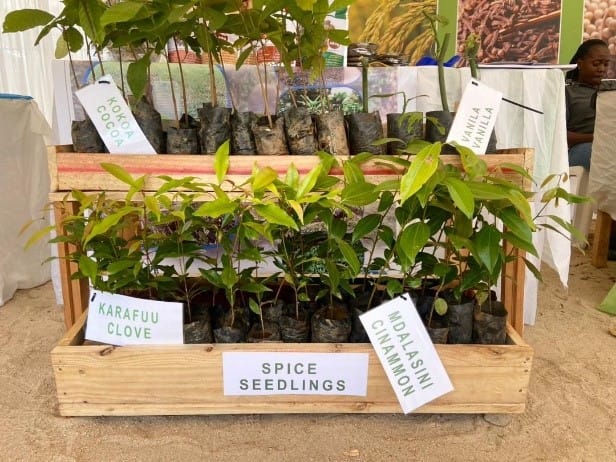
Spices such as Clove, Cardamom, black pepper, Cinnamon, and Ginger are emerging as a high-value niche within the Kilombero Cluster and are recognized as strategic crop for agricultural development in the Morogoro Region.
The favorable climate, fertile soils are ideal for growing these crops, offering a unique opportunity for farmers to diversify their income streams and restoring biodiversity through agroforestry and encourage more environmentally friendly livelihoods. These spices have a high market value and are in demand both locally and internationally, especially for flavoring, cosmetic, and pharmaceutical uses.
Stakeholder Engagement
The success of the Kilombero Cluster Development heavily relies on the effective collaboration and engagement of multiple stakeholders. These include government institutions, private sector actors, non-governmental organizations (NGOs), and local communities. Below are some examples of how these stakeholders contribute to the development of the Kilombero Cluster:
i. Government Institutions.
- • Ministries such as MoA and MNRT, Works on policy formulation, supporting infrastructure such as irrigation and roads and promoting sustainable farming practices.
- • Morogoro RS LGAs, Facilitate local-level implementation of agricultural policies and provide extension services to farmers.
- • Regulatory Authorities, such as TOSCI, ASA, NEMC, TPHPA, RBWB and TRA, they provide education and licenses to agribusinesses, processors, and traders and ensure compliance with relevant laws and guidelines.
ii. Private Sector.
- • Agribusinesses, companies in the agricultural value chains, such as input suppliers, equipment manufacturers, and Agritech firms, help introduce innovation and improve efficiency in farming practices.
- • Investors, ocal and international investors play a significant role in funding large-scale agricultural projects, including those in rice and sugarcane processing.
- • Financial Institution’s such as NMB, TADB, YETU Microfinance and CRDB also plays a crucial role in financing agricultural interventions crossing the Cluster.
iii. Non-Governmental Organizations (NGOs).
- • Sustainable Agriculture NGOs, Organizations like Norges Vel, Farm Africa and Agriterra provide training, technical assistance, and capacity-building for farmers in the Kilombero Cluster. They help farmers adopt climate-smart agriculture practices and improve yields sustainably.
- • Environmental NGOs, Organizations such as AWF, WWF and IUCN focused on environmental conservation work alongside farmers to prevent soil erosion, improve soil fertility, and promote biodiversity conservation.
iv. Local Communities.
- • Smallholder Farmers, Smallholder farmers are key actors in the Kilombero Cluster, involved in farming. They benefit from extension services, training, and new agricultural technologies introduced by various stakeholders.
- • Farmer Groups and Cooperatives, Community-based organizations are integral in helping smallholder farmers access markets, inputs, and financial services.
v. Academic and Research Institutions.
- • Research Institutions, Universities and research organizations such as the Sokoine University of Agriculture (SUA), Tanzania Agricultural Research Institute (TARI) conduct vital research on crop varieties, soil health, and sustainable farming practices, all of which directly impact the success of the Kilombero Cluster.
A Call to Support the Kilombero Cluster’s Agricultural Transformation
The transformation of agriculture in the Kilombero Cluster requires continued collaboration and support from all sectors. To achieve greater success and sustainability, we call on:
- • Public Sector, to prioritize investments in infrastructure such as roads and irrigations, soil health management, and capacity-building initiatives for local farmers. There is also a need for enhanced policy frameworks that support the growth of the identified value chains.
- • Private Sector, to continue investing in agro-processing, agricultural technologies, and market access initiatives. Supporting smallholder farmers through fair trade, training programs, and market linkages will empower them to scale their operations and improve productivity.
- • Civil Society and NGOs, to continue providing support in terms of technical assistance, and research that will help improve soil health, water management, and sustainable farming practices across the cluster.
- • General Public, to engage with and support initiatives aimed at improving local livelihoods, whether through advocacy, responsible consumption, or support for local products from the Kilombero Cluster. Your involvement is crucial to the collective effort of creating a prosperous, sustainable agricultural future.
Together, we can ensure that the Kilombero Cluster continues to thrive as a hub of agricultural excellence, driving economic development, food security, and environmental prosperity.
Cart (0 items)
Connect with AGCOT to learn more about our agricultural transformation initiatives
- Image
- SKU
- Rating
- Price
- Stock
- Availability
- Add to cart
- Description
- Content
- Weight
- Dimensions
- Additional information