
MBARALI CLUSTER PROFILE
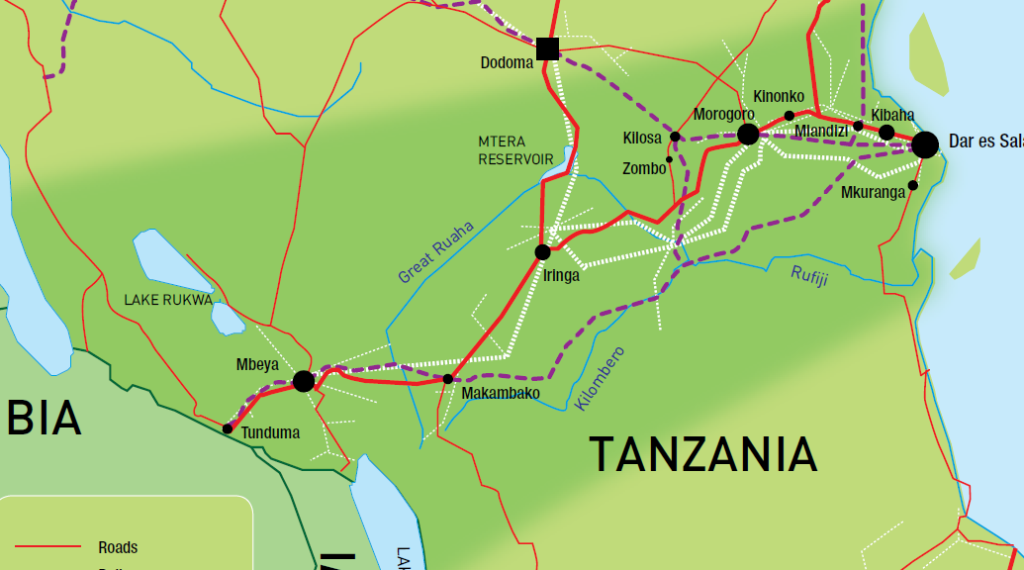
Mbarali cluster covers the regions of Songwe and Mbeya. It is located in the south-western corner of the southern highlands of Tanzania and lies between latitude 70 and 90 31’ south of Equator and between longitude 320 and 350 east of Greenwich Meridian. The cluster lies at an altitude of 450 meters above sea level in Kyela with high peaks of 2,981 meters above sea level at Rungwe. The cluster shares borders with Zambia and Malawi to the South, Rukwa Region to the West; Tabora and Singida Regions to the North; and Iringa and Njombe Regions to the East.
Agricultural Commodities in the Cluster
The different altitudes, varied climate conditions and the topology of Mbarali cluster enables it to produce over 50 agricultural commodities-both traditional cash/food crops to emerging crops such as cashewnuts. Some of the key produce in the cluster include: Paddy, Maize, Irish Potato, Sweat Potato, Tea, Coffee, Cocoa, Pyrethrum, Bananas, Sunflower, Ground nuts, Cassava, Finger Millet, Beans, Sesame, Wheat, Tobacco, Soya, Sugarcane, Pigeon Peas, Cassava, Yam, Ginger, Cardamom, Mango, Pineapples, Garden and cow peas, Green grams, Carrots, Avocado, Tomatoes, Onions, Cabbages, Eggplants, Pepper, Leafy Vegetables, Beef Cattle, Dairy Cattle, Goats, Pigs, Sheep, Poultry, Fish (Tilapia + Catfish), Guinea fowls, Turkey, Rabbits, and Guinea pigs. Paddy, Maize, Tomato, cattle, chicken and other leafy vegetables are found in all district councils with varying quantities
THE POTENTIAL PRIORITY VALUE CHAINS
Each of the district councils within the cluster have prioritized agricultural products. Their main criteria is influenced by the climatic conditions of the district councils as well as the current contribution of the commodity to the councils’ revenue basket but not necessarily on the potential for poverty reduction amongst the smallholder farmers.
The following commodities have been prioritized by different councils:
- Crops: Sunflower, Maize, Sesame, Paddy, Beans, Irish Potato, Coffee, Avocado, Ground nuts, Cashewnuts, Sweat Potato, Tobacco, Beans, Cocoa
- Livestock: Beef Cattle, Goat, Dairy Cattle, Chicken, Pigs
- Fishery products: Tilapia, Catfish
- Others: Bee Products-Honey and Bees wax.
Mbarali cluster Prioritized Value Chains
- i. Dairy
- ii. Sunflower;
- iii. Paddy/Rice;
- i. Poultry;
- ii. Round potato; and
- iii. Avocado.
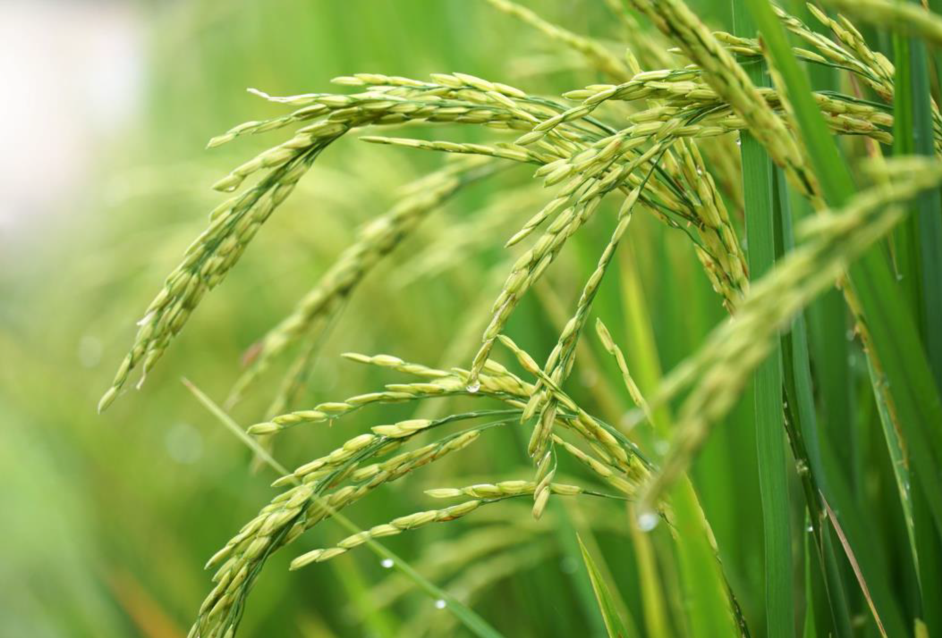
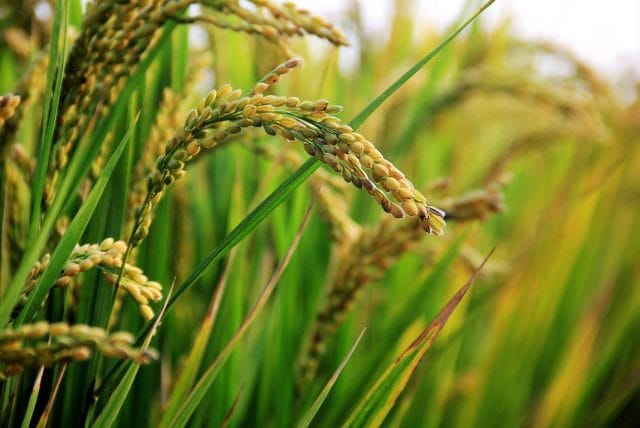
Rice is a staple food in many countries of Africa and constitutes a major part of the diet in many others. In Tanzania, rice is the second most important food crop after maize. Official data (NBS 2018) indicate that the year 2016/2017 total production reached about 1.38 million tons and with average yields of 2.5 tons per hectare. Rice is grown in most regions of the country. Some regions such as Morogoro, Tabora, Mbeya, Mwanza and Shinyanga often produce surplus. It is estimated that 20 percent of farmers are involved in rice production.
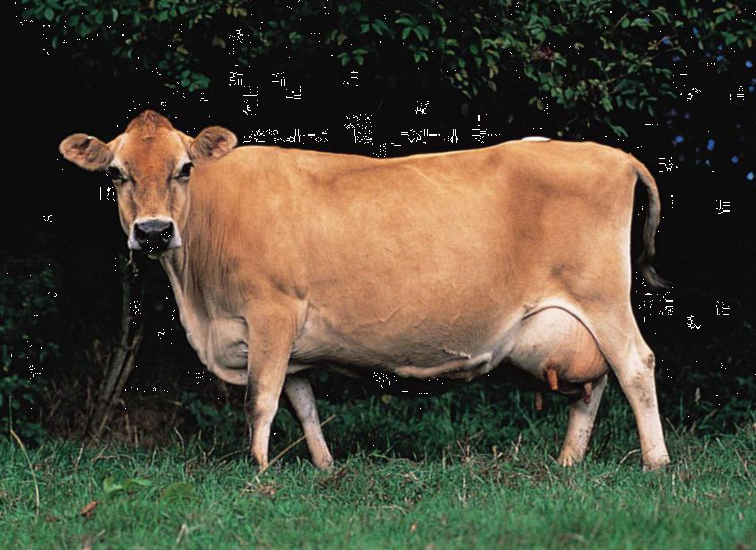
Dairy Value chain
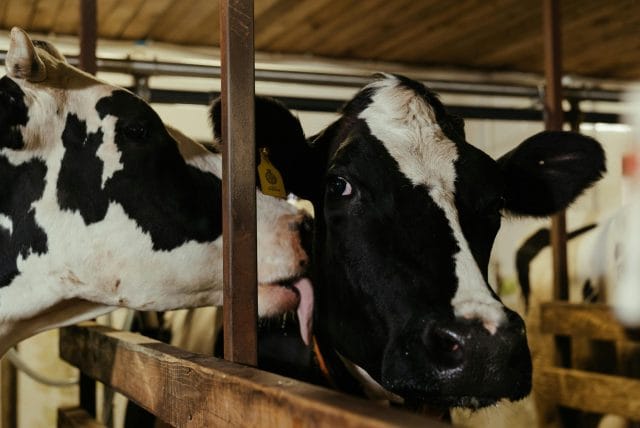
The dairy industry in Tanzania has gone through various stages of development. Pre and post- independence, dairying was practiced mainly in areas which had a conducive climate to enable production of sufficient milk and which had a potential market for milk such as Kilimanjaro, Arusha and Dar es Salaam. In the rest of the country milk produced was largely consumed within the rural areas and households. Despite the foregoing, the Dairy industry in Tanzania is still young but developing (MLDF, 2011). Current development strategies are aimed at modernizing and commercializing and make it more competitive. So far production of milk is mainly from indigenous cattle followed by improved dairy cattle. Current production can be classified to be solely for the domestic market, with a large raw/fresh milk purchase preference against processed dairy products.
Poultry value chain
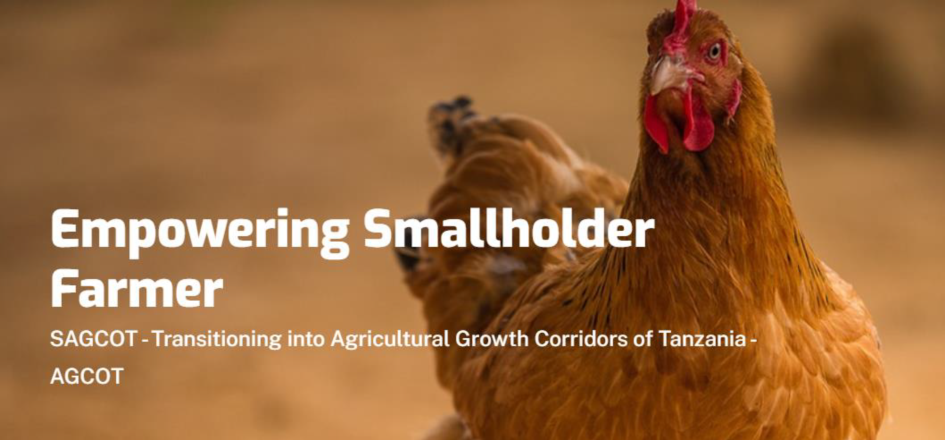
Tanzania’s poultry sub-sector is mainly divided into a traditional and commercial production system. Traditional poultry kept are mainly chicken (90%) with the remaining small proportion being ducks, ostriches, pigeons and geese. According to the Tanzania Poultry Breeders Association (TPBA), traditional chicken shows a high potential to improve food security, household income of rural people, particularly disadvantaged groups such as women and children. “Despite traditional chicken being dominant it is still characterized by low production coefficients that are, high chick mortality, low annual egg production, low chick turnover and low annual off take”. Low productivity in traditional chicken is attributed to low genetic potential of indigenous ecotype chicken in terms of growth rate and egg production, poor husbandry practices in terms of low- and poor-quality nutrition, lack of disease control measures, poor or unavailability of housing, lack of bio-security measures and lack of commercial orientation
Potato- Value Chain
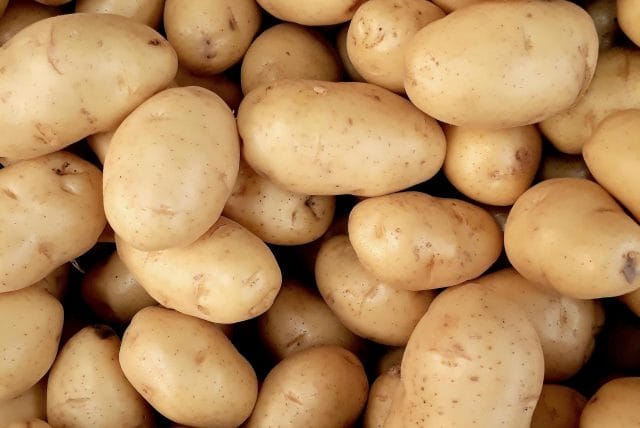
Round Potato produced in Mbarali cluster is a very important crop not only for the cluster but nationally. Mbarali cluster contributes 35% of national production and 55% of producers are from the cluster. Even though productivity is comparatively low (see constraints under the production) it is an important crop for smallholder income as well as food security. Consumption, trading, processing and production vary between each district council in Mbarali. At present the main constraining and risk factors are in inputs and production. The two areas consequently have a bearing on uptake of seed varieties produced and productivity. Round Potato is one of the top ten important stable food crops in the country. There are over 173,772 producers (MoA, 2017) engaged in the production of round potatoes who are predominantly smallholder farmers. Most of the production of potatoes takes place in the southern highlands zone covering Ihemi and Mbarali clusters – part of the SAGCOT initiative areas. By 2017 season, a total of 195,324 Metric Tons of Potato were produced. With a production of 90,646 Metric Tons, Njombe region (in Ihemi cluster) was the leading producer of potatoes (46.6%), followed by Mbarali cluster with a production of 68,800 Metric Tons (35.2%) during the crop season 2016/17. In terms of productivity, Kilimanjaro region had the highest yield of 8.9 t/ha, Njombe 8.5T/ha and Iringa 8.3T/ha. Mbarali cluster lags behind at less than 4 Tons per hectare.
Avocado -Value chain
Avocado production is increasingly gaining popularity in Tanzania with new farms opening up in many parts of the country. Regions such as Njombe, Mbeya, Songwe, Geita and even Kagera are all increasing planted areas with the high yielding export market-oriented variety –Hass. The Horticultural Development Council of Tanzania (HODECT) spearheads the growth of horticultural products and has included Avocado as one of the key crops. The current strategy notes the huge demand of avocado in the world market and therefore categorizes the product as a potential contributor to foreign earnings if harnessed well. Similarly, Tanzania Horticultural Association (TAHA) has a particular interest in avocado especially in Ihemi and Mbarali clusters and currently it is working hard to ensure that the cold storage (pack house) put up in Ihemi (Njombe region) will benefit private sector actors including farmers.
Stakeholder Engagements and Implementation through Strategic Partnerships
The implementation through strategic partnerships is commodity value chain specific. It is the structure that Mbarali cluster has replicated from the established strategic Partnership structure in Ihemi Cluster with priority value chains which are:
(i) Dairy
(ii) Potato
(iii) Avocado
(iv) Paddy and
(v) Poultry.
Ideally strategic partnership committees are formed per value chain. The membership of the Committee is more value chain specific and drawn from the following organizations/institutions:
- Private sector;
- Regional Secretariat;
- LGAs;
- Public Institutions;
- Non-State Actors/ NGOs
- TIC;
- GRG and its feeder groups
Partnerships and Networking
The SCL Mbarali Cluster Office is the face of SCL Headquarters in the community. It provides that first layer of interface between the SCL, SAGCOT Initiative and the agribusiness actors, investors, smallholder farmers and Government through the Regional Secretariat and the LGAs. The cluster office strategic positioning and partnerships is crucial for SCL success, buy-in and ownership from relevant stakeholders and communities. In this connection, SCL should strategically partner with the Regional Secretariat through the Regional Commissioners to drive the SCL vision and activities at cluster, regional and district levels. New partnerships and networking mechanisms should also be established with agribusiness investors, actors and smallholder farmers along the six priority commodity value chains.
Supporting the Mbarali Cluster’s Agricultural Transformation
The transformation of agriculture in the Mbarali Cluster requires continued collaboration and support from all sectors. To achieve greater success and sustainability, we call on:
- Public Sector, to prioritize investments in infrastructure such as roads and irrigations, soil health management, and capacity-building initiatives for local farmers. There is also a need for enhanced policy frameworks that support the growth of the identified value chains.
- Private Sector, to continue investing in agro-processing, agricultural technologies, and market access initiatives. Supporting smallholder farmers through fair trade, training programs, and market linkages will empower them to scale their operations and improve productivity.
- Civil Society and NGOs, to continue providing support in terms of technical assistance, and research that will help improve soil health, water management, and sustainable farming practices across the cluster.
- General Public, to engage with and support initiatives aimed at improving local livelihoods, whether through advocacy, responsible consumption, or support for local products from the Mbarali Cluster. Your involvement is crucial to the collective effort of creating a prosperous, sustainable agricultural future.
Together, we can ensure that the Mbarali Cluster continues to thrive as a hub of agricultural excellence, driving economic development, food security, and environmental prosperity.
Ihemi Cluster


Cart (0 items)
- Your cart is empty Browse Shop
Connect with AGCOT to learn more about our agricultural transformation initiatives
- Image
- SKU
- Rating
- Price
- Stock
- Availability
- Add to cart
- Description
- Content
- Weight
- Dimensions
- Additional information