- Your cart is empty Browse Shop
Project Overview
The USAID Tuhifadhi Chakula (Let’s Save Food) project is a five-year, $24 million (approximately 60 billion Tanzanian Shillings) initiative funded by the United States Agency for International Development (USAID). The project is implemented by the Tanzania Horticultural Association (TAHA) in partnership with the SAGCOT Centre Ltd. Running from August 2023 to July 2028, the initiative is dedicated to enhancing food security and livelihoods in Tanzania by reducing food loss and waste.
The overarching objective is to reduce food loss and waste and resultant climate effects for improved food security and livelihoods. The project aims to address the root causes of post-harvest losses and inefficiencies across horticultural and cereal value chains.
Partnership and Coordination
TAHA leads the horticultural sector transformation, while SAGCOT Centre Ltd leads the cereals sector transformation. The project also collaborates with various local NGOs, CSOs, and private sector organizations, including the Avocado Society of Tanzania (ASTA), Njombe South Highlands Development Association (NSHDA), TAHAFresh, Tanzania Food Processors of Women Entrepreneurs (TAFOPA), and GreenCert, among others.
The project aligns with USAID and Government of Tanzania priorities, including the National Post-Harvest Management Strategy (2019–2029), ASDP II, Agenda 10/30, Tanzania Development Vision 2025, and the National Climate Change Response Strategy (2021–2026).
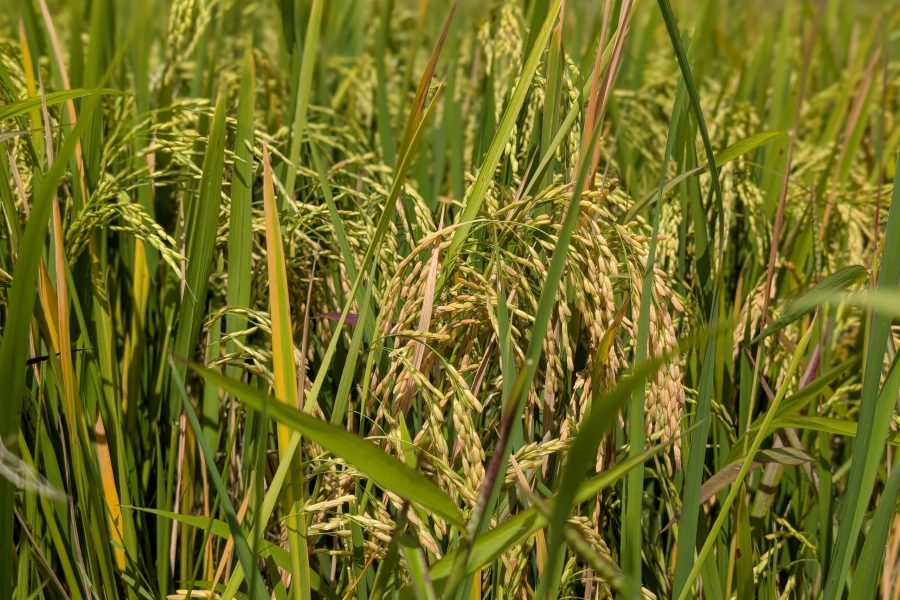
USAID Tuhifadhi Chakula (Let’s Save Food) Project
Geographic Coverage
The project operates in ten regions across Tanzania:
| Production Regions | Market Sheds |
|---|---|
Mbeya | Dar es Salaam |
Njombe | Dodoma |
Morogoro | Arusha |
Tanga | Kilimanjaro |
Pwani | Zanzibar |
Project Objectives (Intermediate Results)
The project is structured around four key Intermediate Results (IRs):
- 1. IR 1: Improve food handling, storage, and value addition at producer and commercial levels.
- 2. IR 2: Facilitate market access to ensure agricultural goods reach consumers.
- 3. IR 3: Inform and promote policy and regulatory frameworks that reduce food loss and waste.
- 4. IR 4: Strengthen local organizations' capacity to lead on post-harvest management.
SAGCOT’s Role in the Project
As a key implementing partner, SAGCOT Centre Ltd leads interventions in the cereals value chain (maize, rice, and common beans). SAGCOT’s responsibilities include:
- • Leading the transformation of the cereals sector across the project’s Zones of Influence.
- • Conducting research and studies to identify cost-effective post-harvest loss technologies and adoption barriers.
- • Training enumerators and field teams to collect crucial data on post-harvest practices and challenges.
- • Promoting effective storage technologies and addressing root causes of post-harvest loss.
Expected Outcomes
The project is expected to deliver the following outcomes:
- • Facilitate access, availability, and adoption of practices, tools, quality inputs, and climate-smart technologies.
- • Improve access and use of post-harvest technologies to enhance food safety and expand markets.
- • Build capacity on food handling, storage, and value addition.
- • Improve efficiency and effectiveness in food transportation and logistics.
- • Attract investments from the private sector to contribute to developing sustainable post-harvest solutions.
- • Promote investment to expand the market base and increase the number of off-takers.
- • Improve domestic market management systems.
- • Address policy and operational constraints contributing to food loss and waste.
- • Facilitate availability and operation of market support infrastructure.
- • Empower more than 370,000 youth and 279,000 women to participate in agriculture trade.
Target Impact
| Metric | Target |
|---|---|
Project Budget | $24 million |
Project Duration | August 2023 – July 2028 |
Direct Beneficiaries | 931,546 value chain actors |
Indirect Beneficiaries | 4,378,266 people |
Youth Participation Target | 40% |
Women Participation Target | 30% |
Horticulture Loss Reduction | From 30–40% to 15% |
Cereals Loss Reduction | From 13% to 7% |