- Your cart is empty Browse Shop
Project Overview
The Youth Entrepreneurship for the Future of Food and Agriculture (YEFFA) is a continent-wide initiative funded by the Alliance for a Green Revolution in Africa (AGRA), aimed at unlocking opportunities for young people by transforming agriculture into a viable pathway to employment, entrepreneurship and sustainable economic growth.
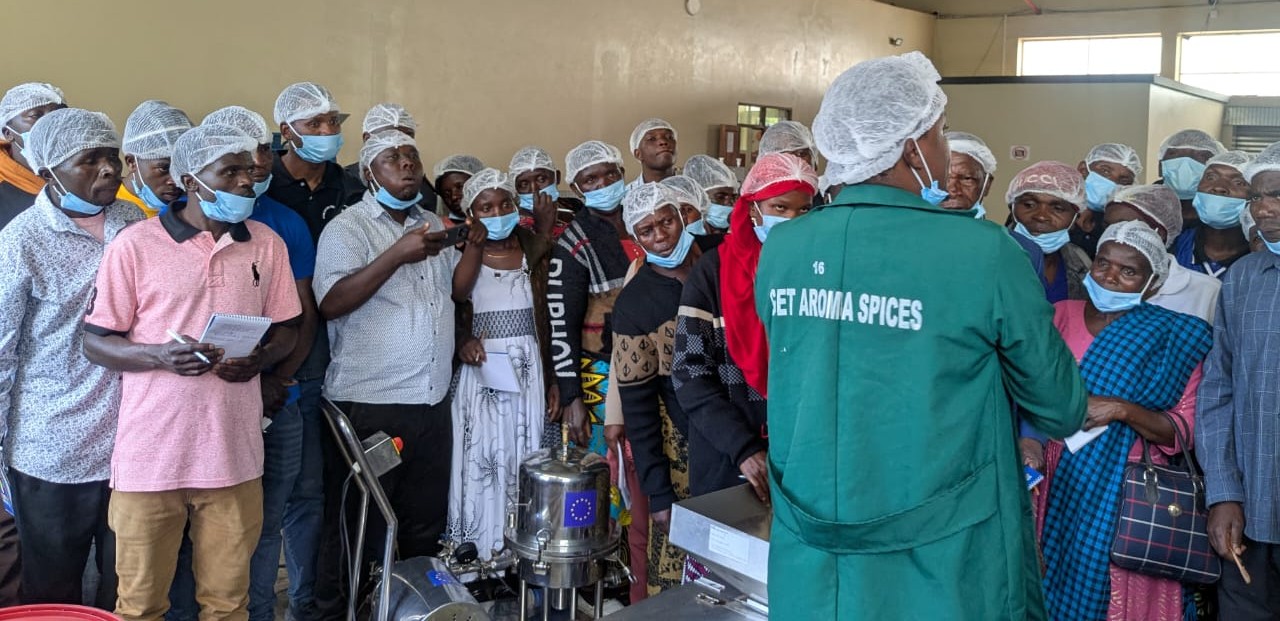
At AGCOT, YEFFA is being implemented through the three-year project “Empowering and Building Youth Farmers’ Resilience on Inclusive Markets for Maize and Rice Value Chains.” The project seeks to strengthen inclusive and market-driven maize and rice value chains by connecting young women and men to markets, building their agribusiness capacities, improving access to opportunities and promoting an enabling policy environment.
The project targets 70,000 farmers across six regions of Tanzania—Morogoro, Mbeya, Njombe, Ruvuma, Iringa and Songwe—and intentionally aims to create 30,000 improved job opportunities for young women and men along the maize and rice value chains (in agri-services, processing, aggregation, SMEs and extension services).
The project reflects YEFFA’s broader ambition to transform food systems into engines of job creation, inclusion, resilience and economic growth, with young people, particularly young women, positioned at the centre of agricultural transformation.
Funding Amount and Funders
Funder: AGRA
Budget: USD 399,847
Project Time Frame
24 months: 20th Sept 2024 to 21st Sept 2026
YEFFA
Empowering and Building Youth Farmers’ Resilience on Inclusive Markets for Maize and Rice Value Chains.
The Key Issues or Challenges the Project is Addressing
Tanzania’s agriculture sector has significant potential to contribute to economic transformation and youth employment. However, several challenges continue to limit the participation of young people and the performance of key agricultural value chains.
The project addresses the following key challenges:
- • Limited access to structured and reliable markets for youth and smallholder farmers.
- • Fragmented maize and rice value chains, which limit opportunities for profitable participation by youth and smallholder producers.
- • Youth unemployment and underemployment, particularly among young people engaged in low-income and informal activities.
- • Limited agribusiness knowledge and skills among young women and men, reducing their ability to identify and respond to emerging market opportunities.
- • Low productivity and limited investment in innovation within maize and rice value chains.
- • Limited access to finance and business development opportunities for youth and youth-led agribusinesses.
- • Inadequate compliance with food quality and safety standards, limiting access to higher-value and regional markets.
- • Weak aggregation, contract farming and collective marketing mechanisms, affecting farmers’ ability to access structured markets.
- • Policy and regulatory gaps, including the need for more youth-responsive and harmonised food and trade policies.
The project therefore seeks to address these constraints through market linkages, capacity development, financial inclusion, food quality and safety interventions, and policy advocacy.
Expected Outcomes and Impact of the Project
Project Outcomes
The project is expected to contribute to:
- • Youth accessible markets & employment opportunities increased
- • Increased Capacities of young women and men to respond to agribusiness opportunities
Impact Targets
The project targets:
- • 70,000 farmers reached/trained in markets, finance and post-harvest management.
- • 30,000 improved job opportunities for young women and men created in agri-services, SMEs and extension roles.
- • 100,000+ MT of maize and rice sold through structured market platforms.
- • Expanded regional trade through improved harmonization of standards and certifications.
Regions, Districts or Areas Where the Project is Being Implemented
The project is being implemented across six key regions:
| • Morogoro | • Mbeya | • Njombe | • Ruvuma | • Iringa | • Songwe |
|---|
Partners
The project is implemented through a consortium of partners, including:
The consortium works with relevant government institutions, private-sector actors, financial institutions, farmer organizations and other value-chain stakeholders to strengthen market systems and create sustainable opportunities for youth and young women in the maize and rice sectors.